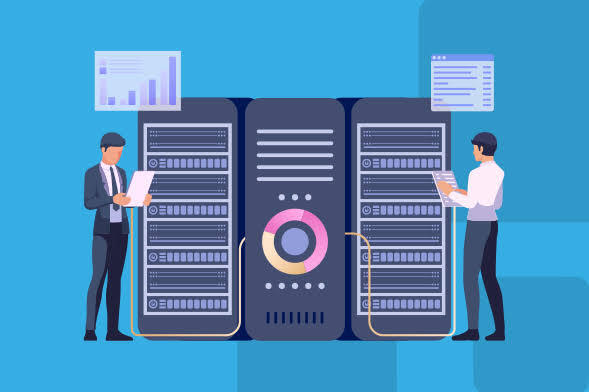
Modern businesses depend on digital infrastructure for almost every important operation. Websites need to remain accessible, applications must respond quickly, databases have to process information accurately, and employees expect internal systems to work without interruption. Behind all of these functions are servers that require consistent attention. When server maintenance is neglected, even a small configuration problem can develop into downtime, security exposure, or performance issues.
This is why many organizations are turning to professional server management solutions. Instead of expecting an internal team to constantly watch infrastructure, troubleshoot technical problems, and maintain operating systems, businesses can rely on structured management services designed to keep their server environment dependable.
Why Server Management Matters for Growing Businesses
Server administration becomes increasingly complicated as a company expands. A small organization might operate with a single server or a simple hosting environment. Over time, however, applications, databases, websites, employee systems, backups, and cloud resources can create a much larger infrastructure.
Managing that environment requires more than installing software and restarting machines when something goes wrong. Servers need regular updates, resource monitoring, security checks, backup verification, performance optimization, and configuration reviews.
Without a proactive approach, technical teams may spend valuable hours responding to emergencies instead of working on strategic projects. Professional server management helps shift the focus from reacting to failures toward preventing them.
Proactive Monitoring Can Prevent Bigger Problems
One of the most important parts of effective server administration is continuous monitoring. A server may appear operational while quietly developing a problem. CPU usage can gradually increase, available storage can fall, memory consumption can become excessive, or a service can repeatedly fail in the background.
Server monitoring services provide visibility into these conditions. Administrators can track important performance indicators and investigate unusual behavior before it causes serious disruption.
For example, an unexpected increase in disk usage might indicate growing application logs, unnecessary files, or database expansion. Identifying that trend early gives the technical team an opportunity to resolve the issue before the server runs out of storage.
This proactive approach can reduce unexpected downtime while making infrastructure performance easier to manage.
Security Should Be Part of Everyday Maintenance
Cybersecurity is another major reason businesses invest in professional server management. Servers can contain applications, customer information, business records, databases, and other valuable resources. Leaving software outdated or configurations improperly secured can create opportunities for attackers.
A comprehensive management strategy can include operating system updates, security patching, firewall configuration reviews, access control checks, malware monitoring, and vulnerability assessments.
Regular maintenance is particularly important because new vulnerabilities can emerge after infrastructure has already been deployed. A server that was secure several months ago may require updates today.
Professional administrators can establish maintenance routines that help keep security controls current without forcing business employees to manually manage every technical requirement.
Backups Are Only Useful When They Work
Businesses often understand the importance of backups but overlook one crucial question: can the data actually be restored?
A backup process that runs incorrectly, saves incomplete information, or produces unusable files can create a false sense of security. Reliable server management therefore involves more than scheduling backups.
Backup systems should be monitored, storage capacity should be reviewed, and restoration procedures should be tested periodically. Businesses can also establish recovery objectives based on how quickly systems need to return after an incident.
With a dependable backup strategy, organizations are better prepared for hardware failures, accidental deletion, software problems, cyber incidents, and other unexpected events.
Improving Server Performance
Poor server performance can affect much more than an IT department. Slow applications can frustrate employees, while delayed websites can negatively influence customer experiences. In some cases, performance problems can even affect revenue.
Server optimization involves examining how infrastructure resources are being used. Administrators may review database performance, memory allocation, storage activity, application processes, network configurations, and other technical factors.
The goal is not simply to make a server appear faster. Effective optimization identifies the underlying cause of a bottleneck and addresses it appropriately.
Sometimes the solution involves configuration changes. In other situations, outdated software, inefficient database queries, insufficient resources, or unnecessary background processes may be responsible.
Supporting Physical and Cloud Infrastructure
Today’s businesses use a wide range of infrastructure models. Some rely on dedicated physical servers, while others operate virtual machines, cloud platforms, or hybrid environments.
This flexibility is valuable, but it can also make infrastructure management more complicated. Different environments may have different monitoring requirements, security configurations, backup procedures, and resource considerations.
Experienced server professionals can help businesses maintain consistency across these environments. They can review infrastructure requirements, identify potential weaknesses, and recommend adjustments as workloads change.
Cloud adoption does not eliminate the need for server administration. It simply changes the responsibilities involved. Organizations still need to monitor applications, control access, manage resources, protect data, and maintain reliable configurations.
Reducing the Pressure on Internal IT Teams
Internal developers and technology teams often have limited time. Their priorities may include application development, product improvements, customer support, automation, or digital transformation.
When they also have to handle every server-related problem, productivity can suffer.
Outsourcing routine infrastructure responsibilities through server management services can give internal employees more time to focus on business-critical work. Instead of constantly checking server dashboards or investigating recurring alerts, they can concentrate on projects that directly support organizational goals.
This does not necessarily mean giving up control. Businesses can establish clear responsibilities, reporting procedures, access policies, and escalation processes with their service provider.
Choosing the Right Management Approach
Not every business requires the same level of server support. Before selecting a provider, organizations should evaluate their infrastructure size, application requirements, security expectations, operating systems, backup needs, and availability requirements.
It is also useful to consider how quickly technical issues need to be addressed. A provider offering proactive monitoring and responsive technical support can be more valuable than a service focused only on occasional maintenance.
Businesses should also look beyond pricing. A low-cost service may not provide the monitoring, security, documentation, or technical expertise required for a complex environment.
Building a More Dependable Digital Foundation
Servers are rarely visible to customers, but their reliability has a direct effect on the digital experiences customers receive. When infrastructure operates efficiently, applications can remain responsive, websites can stay accessible, and employees can work with fewer interruptions.
The right server management solutions provide a structured way to maintain that reliability. Through monitoring, maintenance, security updates, performance optimization, backup verification, and ongoing technical oversight, businesses can reduce infrastructure risks while preparing their systems for future growth.
For organizations that want to spend less time dealing with unexpected server problems and more time developing their core business, professional server management can be a practical long-term investment. A well-maintained server environment does more than support today’s workload—it creates a stronger technical foundation for tomorrow’s opportunities.


Leave a Reply