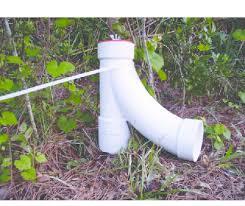
Rodent infestations are a persistent problem in residential, commercial, and municipal properties. Among the most overlooked entry points for rats is the plumbing system. Sewer lines, floor drains, and vent stacks offer warmth, moisture, and direct access to buildings. This is where a plumbing rat bait station becomes an effective and strategic tool. Designed specifically for use within plumbing and sewer systems, this solution targets rats at the source rather than treating the symptoms on the surface.
This article explains what a plumbing rat bait station is, how it works, where it is used, and why it is an important part of modern rodent control strategies.
Understanding the Plumbing Rat Bait Station
A plumbing rat bait station is a specially engineered device installed inside sewer pipes, drain lines, or plumbing access points to control rats that travel through these systems. Unlike traditional bait boxes placed outdoors or in basements, these stations are built to function in damp, enclosed, and low-light environments typical of plumbing infrastructure.
The design ensures that bait remains secure, dry, and accessible only to rodents moving through the pipe. By placing bait directly in the rats’ travel routes, the plumbing rat bait station increases effectiveness while reducing the risk of non-target exposure.
Why Rats Are Attracted to Plumbing Systems
Rats naturally seek environments that provide shelter, food access, and safe travel paths. Plumbing systems meet all of these criteria.
Sewer and drain lines offer protection from predators and weather. The constant availability of water and organic waste makes these areas highly attractive. Rats can swim through sewer lines, climb vertical pipes, and enter buildings through broken pipes, uncapped drains, or damaged vents.
Because of this behavior, treating only visible areas often fails. A plumbing rat bait station addresses the infestation where it actually begins.
How a Plumbing Rat Bait Station Works
The core function of a plumbing rat bait station is simple but precise. It holds rodent bait securely inside the pipe while allowing rats to feed naturally as they move through the system.
Most stations are anchored to the interior of the pipe to prevent movement during water flow. The bait is locked into place using rods or compartments, preventing it from washing away. When rats encounter the station during their normal travel, they consume the bait and leave the system, reducing the population over time.
Because the station is enclosed within the plumbing, it minimizes odor, bait contamination, and human contact.
Key Components of a Plumbing Rat Bait Station
A high-quality plumbing rat bait station typically includes several essential components:
- A corrosion-resistant body suitable for wet environments
- Secure bait holders to prevent bait loss
- Anchoring mechanisms to keep the station fixed
- Access compatibility with cleanouts or manholes
These components ensure the station remains functional even in high-moisture or high-flow conditions. Durability is critical, as plumbing environments are harsh and inaccessible once installed.
Where Plumbing Rat Bait Stations Are Installed
Plumbing rat bait stations can be installed in various locations depending on the type of property and severity of infestation.
Common installation points include sewer laterals, floor drains in commercial kitchens, basement drain lines, municipal sewer access points, and large plumbing cleanouts. In multi-unit buildings, stations are often placed in shared sewer lines to control rats before they reach individual units.
Correct placement is essential. Installing a plumbing rat bait station too far from active rodent pathways reduces effectiveness. Professional assessment is often recommended to identify optimal locations.
Advantages Over Traditional Rodent Control Methods
Traditional rodent control often relies on surface-level traps or bait boxes placed around buildings. While useful, these methods do not address rats already living and breeding in plumbing systems.
A plumbing rat bait station offers several advantages:
It targets rats directly in their primary travel routes.
It reduces reinfestation by controlling populations at the source.
It limits exposure to pets, children, and non-target wildlife.
It works continuously without daily maintenance.
By integrating plumbing-based control with surface methods, long-term results are more achievable.
Safety and Environmental Considerations
Safety is a major concern in rodent control, especially when using bait. A plumbing rat bait station is designed to reduce many common risks associated with rodenticides.
Because the station is enclosed within pipes, bait is not accessible to pets, humans, or wildlife. The controlled environment also reduces the chance of bait dispersing into surrounding soil or water sources.
When properly maintained and monitored, plumbing rat bait stations align with integrated pest management principles and responsible environmental practices.
Maintenance and Monitoring Requirements
Although plumbing rat bait stations are low-maintenance, they are not maintenance-free. Periodic inspection is necessary to ensure bait is present and the station remains securely in place.
Inspection schedules vary depending on infestation levels and local regulations. In high-risk areas, stations may be checked monthly. In lower-risk environments, quarterly inspections may be sufficient.
Maintenance usually involves replacing consumed bait, checking for blockages, and confirming that the station has not shifted due to water flow or debris.
Role in Commercial and Municipal Settings
Plumbing rat bait stations are particularly valuable in commercial and municipal environments. Restaurants, food processing facilities, hospitals, and apartment complexes all rely on extensive plumbing networks that can harbor rodents.
Municipal sewer systems also benefit from large-scale deployment of plumbing rat bait stations. By controlling rat populations within the sewer network, cities can reduce surface infestations, property damage, and public health risks.
In these settings, the plumbing rat bait station becomes part of a broader infrastructure-based pest control strategy rather than a reactive solution.
Signs That a Plumbing Rat Bait Station Is Needed
Certain warning signs indicate that rats may be using plumbing systems:
Frequent rat sightings near drains or bathrooms
Unexplained sewer odors
Noises coming from walls or pipes
Recurring infestations despite surface treatments
When these signs are present, installing a plumbing rat bait station can address the underlying problem rather than repeatedly treating symptoms.
Integration With Other Pest Control Measures
A plumbing rat bait station works best when combined with other control measures. Sealing entry points, repairing damaged pipes, improving sanitation, and monitoring surface activity all contribute to long-term success.
The station reduces the internal population, while exclusion and sanitation prevent new rats from entering. This integrated approach is more effective than relying on any single method alone.
Long-Term Effectiveness and Cost Efficiency
Although the initial installation of a plumbing rat bait station may seem more complex than placing surface bait boxes, it often proves more cost-effective over time.
By reducing repeated infestations and minimizing damage to pipes, wiring, and structures, property owners save on repair and pest control costs. The durability of modern stations also means they can remain in service for extended periods with minimal upkeep.
Over time, the plumbing rat bait station becomes a preventive investment rather than a recurring expense.
Conclusion
Rats living in plumbing systems present a unique and persistent challenge. Surface-level treatments alone are often insufficient because they fail to address the root of the infestation. A plumbing rat bait station offers a targeted, discreet, and effective solution by controlling rodents directly within sewer and drain lines.
By understanding how these stations work, where they are installed, and how they fit into a broader pest management strategy, property owners and facility managers can take a proactive approach to rodent control. When properly installed and maintained, a plumbing rat bait station plays a critical role in reducing infestations, protecting infrastructure, and maintaining healthier living and working environments.


Leave a Reply